
Let’s play a quick game of mental time travel.
Imagine living in a home where you aren't allowed on the comfortable furniture, no one sits beside you, and no one acknowledges your presence unless you ask with absolute, flawless politeness.
If you glance across the room at someone, they ignore you. If you lean in for contact, they move away to avoid "encouraging pushy behavior."
How quickly would that existence become lonely, isolating, and chronically stressful?
For decades, traditional dog training preached this exact setup as the gold standard of "good manners." We were told that responding to a dog’s gaze, lean, or bid for physical closeness was "spoiling" them or handing over control.
At One Leg Up Canine, we look at behavior through a different lens: modern behavioral science, emotional safety, and genuine connection.

Bids for Connection: Decoding Your Dog's Quiet Language
Because dogs live in a human-controlled world, their initial attempts to initiate connection are remarkably subtle:
- A soft, steady gaze from across the rug
- A quiet lean against your shins while you wait for the coffee to brew
- Resting a heavy chin on your knee
- A gentle request to share the couch space
And here is where the behavioral dominoes fall:
When a dog’s social and emotional bucket stays empty while you're home, their baseline stress steadily climbs.
When you eventually grab your keys and walk out the door, that accumulated daily loneliness can easily explode into separation distress.
Separation anxiety isn't always about your departure—it's frequently rooted in a lack of felt security while you’re present.Emotional Availability vs. Permissiveness (The Boundary Myth)
A common fear among guardians is: "If I respond to my dog’s bids for attention, won't I create a pushy, spoiled monster?"Not at all. There is a massive, scientific difference between permissiveness and emotional availability:
- Permissiveness is an absence of structure—like letting your dog demand-bark in your face for dinner, clear off the kitchen counter, or push you off your own bed.
- Emotional Availability is co-regulation—validating your dog's need for safety, comfort, and social connection.
- Proactive connection kills demanding behavior. Dogs whose emotional needs are consistently met throughout the day rarely feel the need to turn up the volume (jumping, barking, mouthing) to get noticed.
- Acknowledge and offer a bridge. A calm, warm verbal acknowledgment ("I see you, buddy") paired with a peaceful, high-value alternative (like dropping a lick mat or chew on their bed) honors their bid without breaking your boundary.
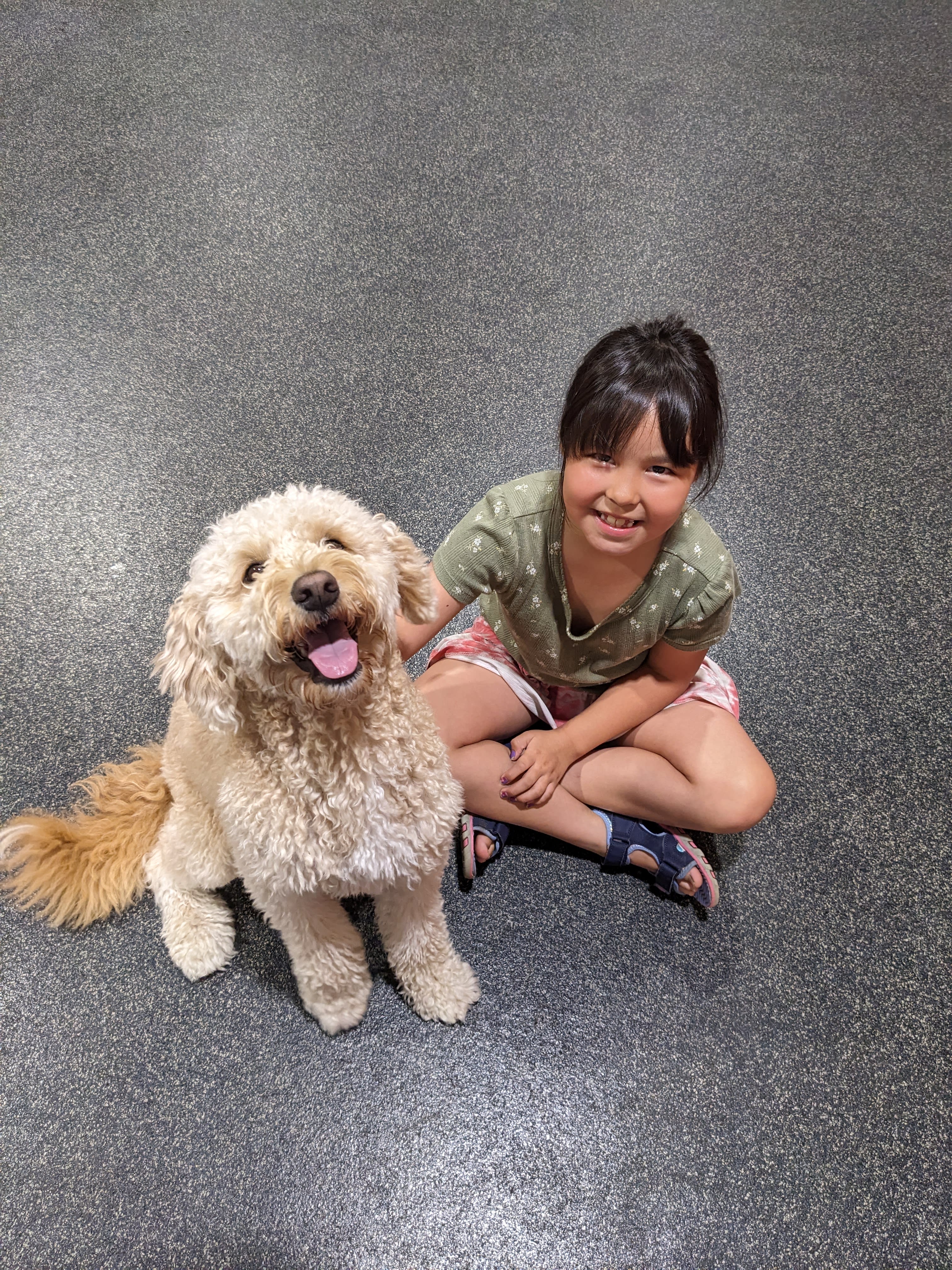
Connection Over Control
Predictable boundaries give dogs structure, but structure anchored in warmth gives them security.Next time your dog leans into your legs or catches your eye from across the room, drop the rules for a second and answer the bid. Let them know they are seen, heard, and safe in your world.